
Medical and Healthcare Market Research

The medical and healthcare market is one of the most significant industries globally, and its impact is felt by people of all ages, backgrounds, and income levels. Healthcare spending is a major component of any economy, and it is expected to continue to rise in the coming years. As such, market research in the medical and healthcare sector is vital for both providers and consumers of healthcare services. In this blog post, we will explore some of the key elements of medical and healthcare market research.
Market Analysis:
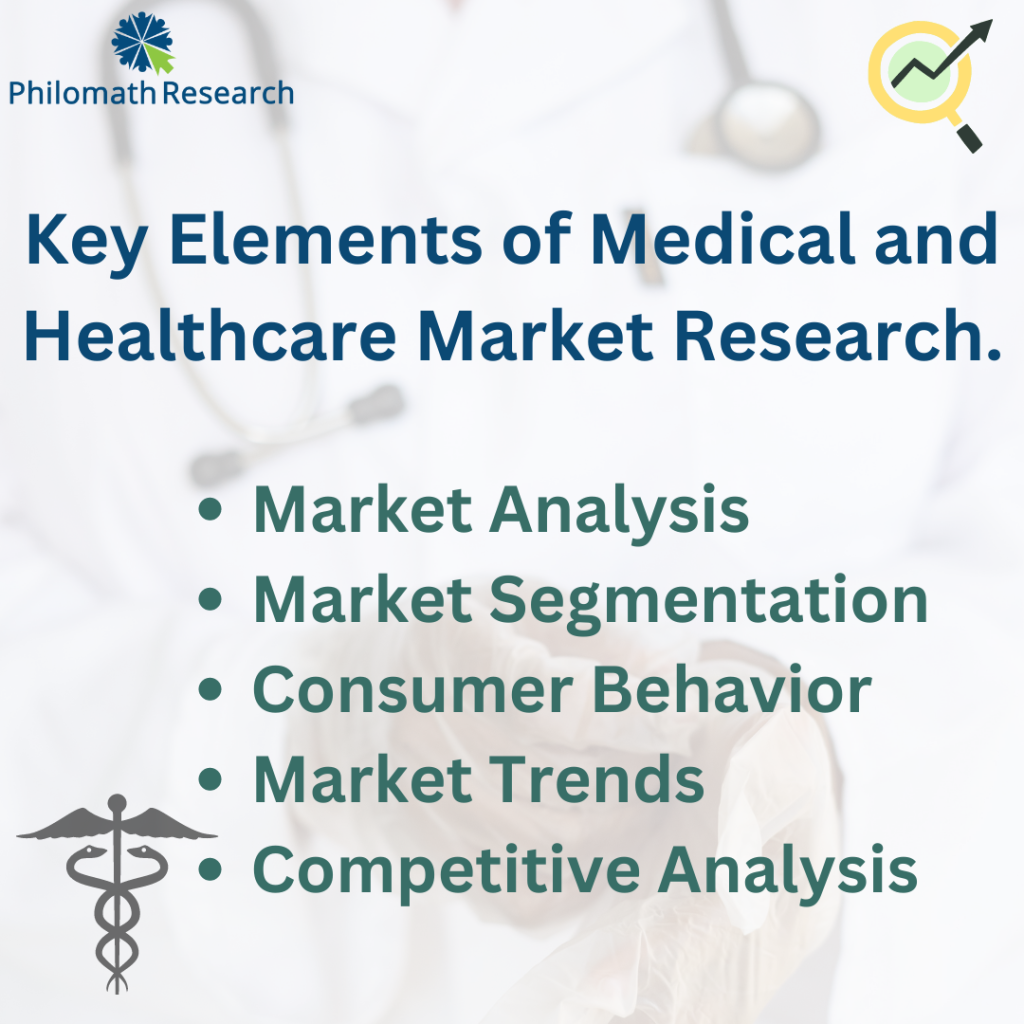
Medical and healthcare market research begins with a market analysis. A market analysis is a comprehensive assessment of the market size, growth potential, and key players in the industry. The analysis helps to identify the strengths and weaknesses of the market and the competition. The information collected through the analysis is used to identify opportunities and potential areas for growth.
Market Segmentation:
Market segmentation is a vital component of medical and healthcare market research. It involves dividing the market into specific groups based on factors such as age, gender, income, geographic location, and other demographic variables. This segmentation helps healthcare providers to tailor their services and products to the specific needs of their target market. For example, healthcare providers can use market segmentation to develop targeted marketing campaigns that speak directly to the needs of a particular group of consumers.
Consumer Behavior:
Understanding consumer behavior is also critical in medical and healthcare market research. Consumer behavior refers to the actions and decisions made by consumers when selecting healthcare providers or purchasing healthcare products. By understanding consumer behavior, healthcare providers can develop strategies to attract and retain consumers. For example, providers can offer incentives such as discounts or loyalty programs to encourage consumers to choose their services over their competitors.
Market Trends:
Market trends are another essential aspect of medical and healthcare market research. Trends refer to the direction that the market is moving and can include changes in consumer behavior, new technologies, and emerging markets. Understanding market trends is vital for healthcare providers as it enables them to stay ahead of the competition and anticipate changes in the market. For example, if a new technology emerges that allows for more precise diagnoses, healthcare providers can invest in the technology to offer more accurate and efficient services.
Competitive Analysis:
A competitive analysis is an assessment of the strengths and weaknesses of competitors in the medical and healthcare market. The analysis helps healthcare providers to identify the strategies used by their competitors to attract consumers and develop strategies to stay ahead of the competition. For example, a healthcare provider may identify a competitor who offers a similar service but at a lower price point. The provider can then develop strategies to offer more value to consumers to compete effectively.
Conclusion:
Medical and healthcare market research is essential for both healthcare providers and consumers of healthcare services. Providers can use market research to tailor their services and products to the specific needs of their target market, understand consumer behavior, anticipate market trends, and stay ahead of the competition. Consumers can benefit from market research by having access to healthcare services and products that meet their needs and budget. As the healthcare industry continues to grow and evolve, market research will remain a critical tool for success. To know more, reach us at www.philomathresearch.com
FAQs
1. What is medical and healthcare market research?
Medical and healthcare market research involves collecting and analyzing data to understand the dynamics of the healthcare industry, including patient needs, market trends, competitive strategies, and consumer behavior. It helps organizations make informed decisions in product development, marketing, and service delivery.
2. Why is market research important in the healthcare industry?
Market research is crucial for identifying opportunities, understanding consumer needs, staying ahead of market trends, and competing effectively. It ensures healthcare providers offer relevant, affordable, and high-quality services and products to patients and clients.
3. What does market analysis involve in healthcare research?
Market analysis includes assessing the size, growth potential, demand drivers, and key players in the healthcare sector. It provides a foundational understanding of industry strengths, weaknesses, threats, and opportunities.
4. How does market segmentation benefit healthcare providers?
Market segmentation divides the market into specific groups based on demographics like age, gender, income, and location. This allows providers to tailor their services, marketing strategies, and products to meet the unique needs of each group.
5. What role does consumer behavior play in healthcare market research?
Consumer behavior research helps understand how and why patients choose healthcare providers or products. Insights into behavior guide service improvements, marketing strategies, loyalty programs, and customer retention efforts.
6. What are healthcare market trends, and why do they matter?
Healthcare market trends are patterns or shifts in consumer preferences, technological advancements, and emerging healthcare needs. Identifying these trends allows providers to adapt, innovate, and stay competitive in a rapidly evolving industry.
7. What is a competitive analysis in the healthcare market?
A competitive analysis involves studying rival organizations to understand their strengths, weaknesses, pricing strategies, service quality, and market positioning. It helps healthcare providers refine their own strategies to deliver better value and capture market share.
8. How can healthcare providers use market research to improve services?
By understanding patient needs, preferences, and feedback, providers can improve service delivery, personalize care, streamline operations, and enhance patient satisfaction—all based on reliable data.
9. Who benefits from healthcare market research?
Both healthcare providers and consumers benefit. Providers gain strategic insights to improve business performance, while consumers receive more customized, affordable, and accessible healthcare services and products.
10. Where can I learn more or get professional support in conducting healthcare market research?
To explore tailored research solutions and get expert support in healthcare market research, you can reach out to Philomath Research, a leading primary data collection company.